Popular Methods for Recording Personal Expenses
Exploring various approaches people use to track their daily spending
Handwritten Records
Many individuals maintain expense records using traditional handwritten methods. This might involve dedicated notebooks, journals, or simple ledgers where each expense is written down along with its date and amount.
The handwritten approach offers tactile engagement and doesn't require technology. Some people find that physically writing down expenses helps them maintain better awareness of their spending patterns. The format and level of detail vary widely based on personal preference.
Spreadsheet Tracking
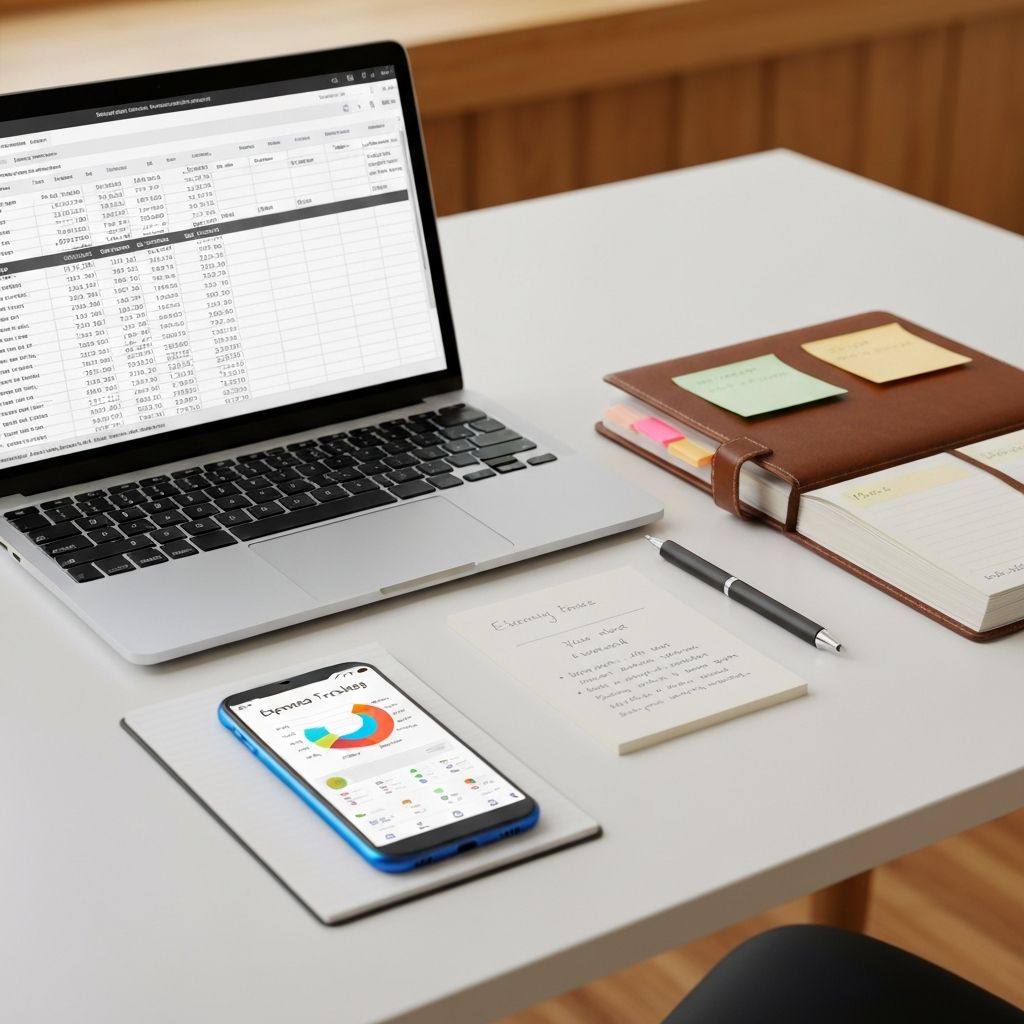
Digital spreadsheets represent another common method for recording expenses. People use programs to create tables with columns for date, description, amount, and category. These can be as simple or detailed as the individual prefers.
Spreadsheets allow for easy calculation of totals and can be organized in various ways. Some people maintain weekly tabs, others monthly sheets, and some prefer annual overviews with monthly breakdowns. The structure is flexible and customizable.
Receipt Collection
Some individuals collect physical receipts as their primary record-keeping method. Receipts are saved in envelopes, folders, or boxes, often organized by time period or category. This provides a physical record of transactions that can be reviewed later.
While receipt collection preserves detailed transaction information, it requires physical storage space and may need to be supplemented with other methods for transactions that don't generate receipts, such as cash purchases from informal vendors.
Calendar Notation
Another approach involves noting expenses on calendars, either physical or digital. This method integrates expense tracking with daily scheduling, providing context about when purchases occurred relative to other life events.
Calendar notation tends to work better for larger or more significant purchases rather than small daily expenses, as space limitations make detailed tracking challenging.
Simple List Making
Some people maintain simple lists of expenses, either in notebooks, on their phones, or on loose paper. These lists may be kept on a daily, weekly, or monthly basis, with varying levels of detail about each transaction.
List-based tracking is straightforward and requires minimal organization structure. It serves as a basic record of spending without requiring categories, calculations, or complex systems.
Bank Statement Review
Many individuals use their bank and credit card statements as their primary expense record. This method captures digital transactions automatically, though it may not account for cash spending unless separately tracked.
Statement review provides a complete record of electronic transactions but requires periodic review to understand spending patterns. Some people annotate their statements or transfer information to other tracking systems for better organization.
Hybrid Approaches
It's common for people to combine multiple methods. For example, someone might use bank statements for most purchases but maintain a separate notebook for cash transactions. Others might collect receipts but also maintain a spreadsheet summary.
The combination of methods often evolves over time as individuals discover what works best for their particular circumstances and preferences.
Frequency of Recording
How often people record expenses varies considerably. Some individuals note expenses immediately after each purchase, while others batch-record at the end of each day, week, or when reviewing statements. The frequency often depends on the method used and personal habits.
More frequent recording may provide better accuracy but requires more regular attention. Less frequent recording is simpler but relies more heavily on retained receipts or transaction records.
Educational Notice
This article describes various methods people commonly use for expense tracking. It is provided for educational purposes only and does not constitute recommendations or advice about which method to use.