Cash and Digital Spending: Tracking Both Formats
Understanding how people account for different payment methods in expense tracking
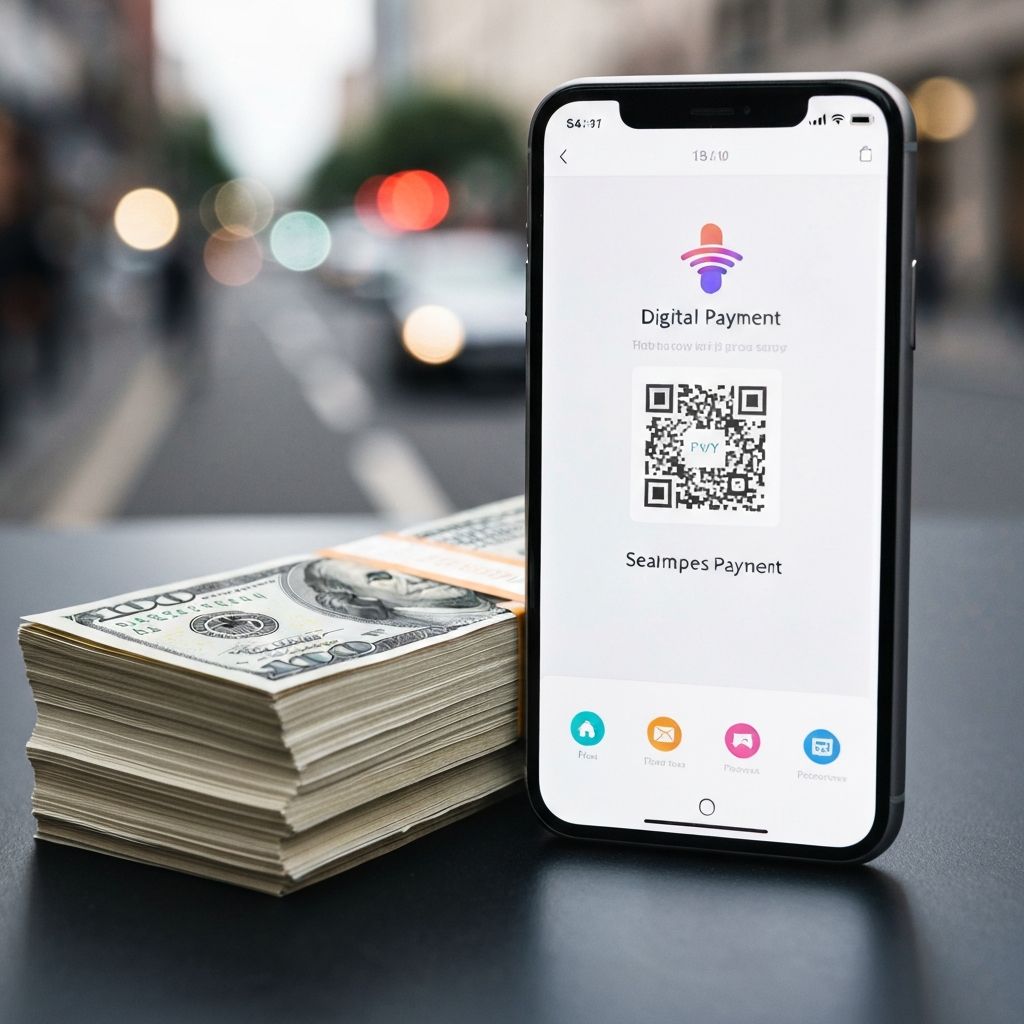
Two Payment Streams
In everyday life, people typically make purchases using both physical cash and digital payment methods such as cards or electronic transfers. Each format creates different challenges and opportunities for expense tracking.
The coexistence of these payment formats means that comprehensive expense tracking often requires attention to both streams, as each leaves different types of records or requires different tracking approaches.
Digital Payment Advantages
Digital payments through cards, electronic transfers, or mobile payment systems automatically create electronic records. Bank and card statements capture these transactions with dates, amounts, and merchant names.
This automatic record-keeping can simplify expense tracking, as the information is preserved without manual recording. Many people use these statements as their primary expense record, though they may still need to add context or categorize purchases.
Cash Transaction Characteristics
Cash transactions don't automatically appear in any electronic record system. Unless the individual manually records the expense, it may not be captured in their budget tracking. This characteristic makes cash spending potentially harder to track comprehensively.
Some purchases naturally generate receipts, which can serve as records, but many small cash transactions occur without any documentation beyond the individual's memory.
Tracking Cash Spending
People who want to track cash expenses typically need to adopt manual recording methods. This might involve keeping receipts, noting purchases in a notebook or phone, or simply tracking cash withdrawals as a lump sum expense category.
Some individuals track cash by monitoring how much they withdraw from ATMs and treating that as their cash spending for the period, rather than itemizing each cash purchase. This approach is simpler but provides less detail about specific spending patterns.
Combining Both Formats
For a complete expense picture, people often need systems that accommodate both payment types. This might mean supplementing bank statement reviews with manual notation of cash purchases, or maintaining a tracking system that has space for both electronic and cash transactions.
The level of integration between tracking methods varies. Some people maintain completely separate records for cash versus digital spending, while others combine them into unified expense logs or spreadsheets.
Behavioral Differences
Research in financial behavior suggests that people sometimes spend differently with cash versus digital payments. The tangibility of cash may create different awareness compared to card transactions, though individual experiences vary considerably.
These behavioral differences can make it relevant for some individuals to separately observe their cash and digital spending patterns, even if both are tracked in the same overall budget system.
Practical Considerations
The ratio of cash to digital spending varies widely based on personal preferences, merchant acceptance, and local payment infrastructure. Some people use cash rarely, while others rely on it regularly for certain types of purchases.
This variation affects how much effort is needed to track each payment type. Someone who primarily uses digital payments may find expense tracking simpler than someone who frequently uses cash and must manually record those transactions.
Hybrid Tracking Approaches
Many people develop hybrid approaches that match their spending patterns. For example, someone might rely on bank statements for most expenses but maintain a simple note-taking system for cash transactions. Others might photograph cash receipts to create a digital record.
The optimal balance between different tracking methods is personal and often evolves over time as spending habits and available tools change.
Educational Notice
This article provides educational information about payment tracking methods. It does not offer recommendations or advice about which payment methods or tracking approaches to use. Individual preferences and circumstances vary significantly.